
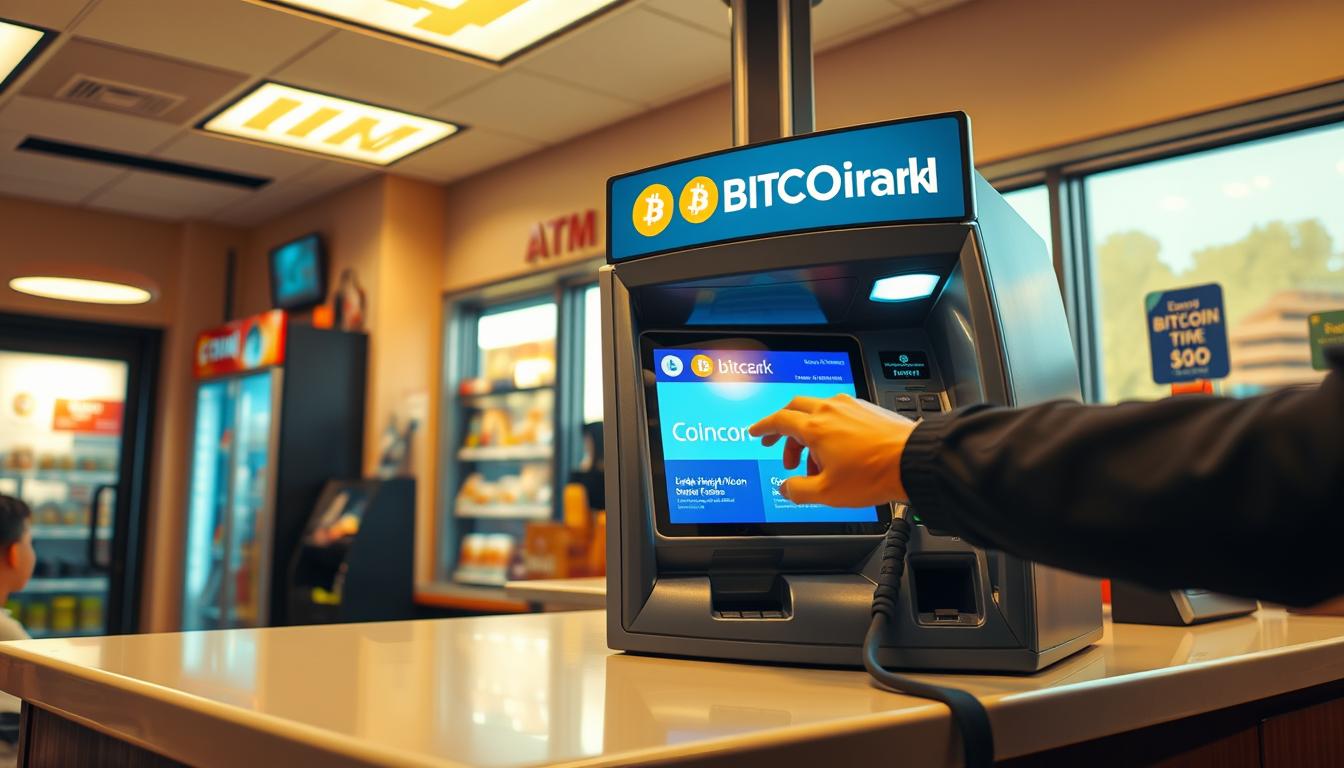
Curious how local rules shape my experience at a Coinark kiosk? I head to the Coinark Bitcoin ATM at 3108 W Lake Rd, Erie, PA 16505 to see what the machine asks, what ID I need, and how fees and limits show up on-screen.
I explain how Pennsylvania lacks standalone bitcoin atm regulations, yet the state’s money transmitter framework can still affect how an atm operates and what I must provide. At the federal level, agencies like FinCEN influence on-screen prompts such as ID checks and receipts.
The result is a patchwork: Bitcoin ATMs are legal nationwide, but verification and prompts vary. I compare Pennsylvania’s flexible stance with stricter states so I know why one kiosk asks more questions than another.
I’ll use the Coinark location and its public listing (https://g.page/r/CZfZxxySCpzYEBM/) as my real-world example. My goal is practical: turn complex laws into simple steps I can follow at an atm to transact with confidence.
Key Takeaways
- I use a local Coinark bitcoin atm as a hands-on example.
- Pennsylvania has no standalone rules, but the money transmitter law can apply.
- Federal oversight (FinCEN and others) shapes kiosk prompts.
- Atms are legal nationwide, but verification varies by state.
- This guide gives simple steps to prepare, document, and transact safely.
Buyer’s Guide: How I approach Bitcoin ATM compliance and usage in Erie, Pennsylvania
My approach starts with a quick checklist before I step up to the Coinark machine at 3108 W Lake Rd. I confirm hours, fees, limits, and any ID needs so I avoid surprises at the screen.
I bring a compatible wallet ready to scan, a valid ID, and enough cash to cover the purchase plus the fee. This simple prep keeps the atm operation smooth and quick.
I follow on-screen prompts exactly: choose buy or sell, enter my wallet address, and verify identity if prompted. Small buys may need only a phone number; larger amounts often require ID verification.
I keep a receipt and screenshot to track taxes and compliance. I also shield QR codes and avoid flashing cash in public to protect privacy while using bitcoin atms.
- Confirm Coinark location: 3108 W Lake Rd — use the map link to plan timing.
- Check bills for wrinkles and follow cash-in instructions to reduce jams.
- Save records and follow on-screen disclosures about state laws and money handling.
| Check | Why it matters | Quick action |
|---|---|---|
| Hours & Location | Avoids wasted trips | Use the Coinark map link |
| Fees & Limits | Sets expectations for cost | Calculate cash + fee before you go |
| ID Tier | Determines verification steps | Carry ID and phone for SMS checks |
Federal framework I follow: FinCEN, AML/KYC, and market oversight
I pay attention to federal registration and reporting duties that affect each transaction I make.
At the top, FinCEN requires Money Services Businesses to register and run written AML programs under the Bank Secrecy Act. That registration shows up as MSB notices on some kiosks and signals basic compliance.
Money Services Business registration and BSA obligations
MSB registration means the operator must keep records, file suspicious activity reports, and train staff. These duties explain why an atm may prompt me to scan ID or verify a phone number.
KYC/AML programs and what I see at the machine
Operators deploy anti-money laundering checks that match transaction size. Small buys often need only phone SMS. Larger buys can require ID scans or extra verification steps tied to money transmitter expectations.
Where SEC and CFTC fit and why it matters
The securities exchange commission and the CFTC play roles in asset classification and derivatives oversight. While I’m using an atm, their guidance shapes disclosures and the way some operators structure services.
- I check that the bitcoin atm operator posts MSB or contact details near the kiosk.
- I expect on-screen KYC, receipts, and limits that stem from federal anti-money laundering rules.
- In tougher states like new york, operators may need extra licensing; other states such as new hampshire take a lighter approach, but federal rules still apply.
| Federal Duty | What it means at the kiosk | My action |
|---|---|---|
| MSB registration | Recordkeeping and SARs | Look for operator contact and MSB notice |
| Bank Secrecy Act | Written AML program and training | Be ready for ID and receipts |
| SEC / CFTC oversight | Disclosures and product limits | Prefer operators with clear terms |
Legal Regulations for Bitcoin ATMs Erie, PA: the Pennsylvania lens
I review when a kiosk’s business model pushes it into money-transmitter territory under Pennsylvania law. There is no single statute that names kiosks, but existing money transmitter laws can apply if an operator moves or holds customer value.
How Pennsylvania’s Money Transmitter laws may apply to Bitcoin ATM operators
My rule of thumb is simple: if an operator stores or transmits customer funds, that activity can trigger state licensing and oversight. That means the same state money transmitter duties that govern other value transfers may apply to a bitcoin atm.
I look for clear signs of compliance: posted MSB notices, contact details, and receipts that list an operator. I also compare Pennsylvania to other states: New York enforces a stricter BitLicense path, while New Hampshire often takes a lighter touch. Federal MSB duties still apply regardless of the state posture.
- I check whether the operator transmits a value or merely provides access to an exchange.
- I verify any posted license or bonding note at the kiosk.
- I keep receipts that show operator contact and complaint channels.
| Issue | What I watch | My action |
|---|---|---|
| Money transmitter status | Custody or transmission of funds | Look for a license or MSB notice |
| State oversight | Varying state laws and licensing | Compare with the New York and New Hampshire posture |
| Federal duties | MSB / AML requirements | Expect KYC at the atm and keep records |
My step-by-step, compliant visit to Coinark Bitcoin ATM at 3108 W Lake Rd, Erie, PA 16505
I walk into Lakeview Laundromat and run a quick checklist before I tap the Coinark kiosk screen.
Location and hours: I confirm the map link (https://g.page/r/CZfZxxySCpzYEBM/) to check hours and plan a fast stop at the Coinark Bitcoin ATM at 3108 W Lake Rd, Erie, PA 16505.
On-screen flow: I pick Buy or Sell, scan my wallet QR, and verify the address shown. I watch the live rate and fee display, then review the final summary before I confirm.
Verification tiers, limits, and reporting
I expect small buys to ask for a phone number and larger ones to request ID. These steps reflect anti-money laundering checks and how operators set daily caps.
Security at the kiosk
The machine shows visible surveillance and anti-tamper fittings. I shield my QR, keep cash secure, and take a receipt photo for tax and support needs.
| Step | Why it matters | My action |
|---|---|---|
| Check hours & location | Avoids wasted trips | Use the Google map link |
| Follow the on-screen flow | Prevents address errors | Scan and confirm the wallet |
| Save records | IRS treats crypto as property | Keep the receipt and photo |
Operator rules that impact my experience: licensing, registration, and machine setup
Operator choices affect almost every step I take at a bitcoin atm. Who runs the kiosk and how they fund it determines the on-screen flow and the ID prompts I must meet.
State licensing vs. exemptions across the U.S.
Nearly every state has some money transmitter laws, but the burden varies. New York may force a full BitLicense, while New Hampshire and others sometimes grant lighter treatment or exemptions.
Licensing can require net-worth checks, surety bonds, fees, and months of review. That explains why similar ATMs behave differently across state lines.
FinCEN MSB registration and why reputable operators display compliance
I look for FinCEN or MSB notices on the machine. A clear money services business disclosure signals that the operator follows anti-money laundering and recordkeeping duties.
“Operators who show registration reduce friction and give me a path to resolve issues.”
Exchange-connected machines vs. operator wallet models
Exchange-connected machines often trigger money transmitter rules because they move customer value through an exchange. Machines that sell from an operator’s wallet may avoid some state licensing triggers, depending on local laws.
I prefer operators who post support contacts and explain their compliance. That transparency makes the atm experience predictable and safer.
| Model | How it funds coins | Impact on the user |
|---|---|---|
| Exchange-connected | Pulls from exchange liquidity | May trigger state money transmitter licensing |
| Operator wallet | Sends from operator-held funds | Licensing impact depends on state law |
| Hybrid | Mix of wallet and exchange | Operator policies and disclosures vary |
Staying safe in Erie: user responsibilities, scams to avoid, and best practices
I focus on practical safety steps every time I approach a coin kiosk in western Pennsylvania. A quick sweep of the area and the machine’s posted contact info sets the tone for a careful transaction.
Common scam red flags in Western Pennsylvania
Imposter calls or texts telling me to send crypto to pay fines or taxes are a top risk. I never follow those demands; real authorities do not accept crypto payments.
Another trap is guaranteed-return pitches that push me to scan a stranger’s QR code. I decline and walk away from high-pressure or time-sensitive offers.
My compliance checklist: IDs, privacy, and records
- ID readiness: I bring acceptable ID and share only what the screen requests for KYC checks.
- Protect privacy: I shield my QR, keep cash out of sight, and finish transactions quickly to limit exposure at the atm.
- Document everything: I keep receipts and note the transaction hash to help with any follow-up to atm operators or tax reporting.
- Use official support: If anything feels off, I call the kiosk’s posted support number rather than accept help from bystanders.
I trust my instincts: if someone pressures me or asks for unusual steps, I stop the operation and verify independently. These habits reduce the chance of falling victim to social engineering or financial crimes while using bitcoin atms.
Taxes made simple: how I track Bitcoin ATM buys and sells for the IRS
Every time I use a cash-to-crypto machine, I log the details that matter to the IRS.
The IRS treats cryptocurrency as property. That means each buy or sell can create a capital gain or loss. If I hold an asset one year or less, gains are short-term and taxed at ordinary income rates. If I hold it longer than one year, gains are long-term and often taxed at lower rates.
Property treatment, capital gains, and the forms I may need (Form 8949, Schedule D)
I report each transaction on Form 8949 and summarize totals on Schedule D. To make those lines easy, I record essentials right after the atm session.
- I treat every buy or sell at a bitcoin atm like a property trade. I note cost basis, proceeds, and fees immediately.
- I log date/time, USD value, crypto amount, wallet address, transaction hash, and fees so Form 8949 entries are straightforward.
- I separate short-term and long-term results by holding period, and I keep receipts and screenshots to reconcile totals on Schedule D.
- I track cash used, the machine’s rate and spread, and I consider a crypto tax tool to import records while I still review Form 8949 lines.
| What I record | Why it matters | How I use it |
|---|---|---|
| Date & time | Establish holding period | Classify short vs long-term |
| USD value & fees | Calculate basis and proceeds | Fill Form 8949 accurately |
| Wallet address & tx hash | Prove the transaction on-chain | Support Schedule D totals |
I keep records securely for years in case the IRS asks. When my activity grows, I talk to a tax pro to align my reporting with current state and federal laws and tax requirements.
Conclusion
I wrap up confident that a short checklist and a cautious approach make using a bitcoin atm simple. I plan my stop at the Coinark Bitcoin ATM at 3108 W Lake Rd, Erie, PA 16505 and use the map link: https://g.page/r/CZfZxxySCpzYEBM/ to save time.
My view: federal MSB duties and state laws shape what I see on-screen. Operators that disclose MSB status and any license cut friction. I watch for signs about money transmitters and state licensing before I transact.
I keep receipts, track taxes, and pick well-lit spots. These habits help each visit to ATMs and Bitcoin ATMs stay secure and easy to defend if questions about law or licensing arise.