
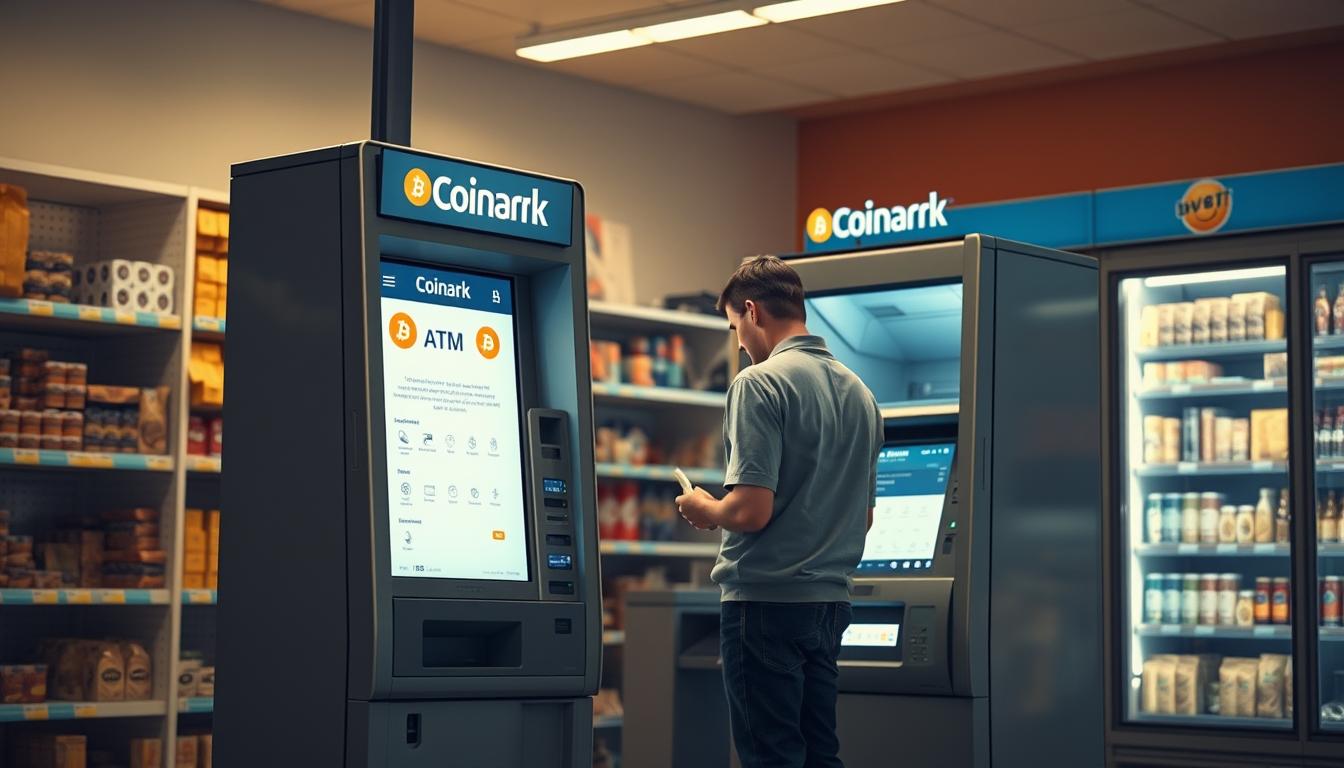
Have you ever wondered why a sudden local rise in Bitcoin ATMs changes how I run a kiosk?
I set the stage by noting a 400% growth in these machines since 2018 and more than 50 locations around town. This boom means I must keep pace with new laws and rules that protect customers and my business.
I explain plainly how these ATMs work and why transactions are permanent. That permanence raises the stakes when scams target seniors or new users, and it shapes the way I handle compliance.
I look at the layered framework that guides my daily steps: federal BSA/AML and KYC duties, state money-transmitter expectations, and local licensing or zoning. I also show a local example at the Coinark Bitcoin ATM at 3108 W Lake Rd to make compliance concrete.
Key Takeaways
- I link rapid kiosk growth to urgent changes in laws and business practices.
- I stress that cryptocurrency transactions are final, so safeguards matter.
- I preview federal and state steps I follow to reduce fraud and protect customers.
- I offer a practical checklist that applies on-site at local machines.
- I highlight real benefits: fewer scams, clearer receipts, and smoother transactions.
Why this Buyer’s Guide matters now in Erie, PA
Rapid kiosk growth has made clear gaps in consumer protection that I now address every day.
Since 2018, the local count jumped roughly 400%, pushing the total past 50+ ATMs in convenience stores, gas stations, and grocery aisles. That visibility helps customers, but it also invites new scams aimed at seniors and first-time users.
Scam types run from fake IRS or law calls to tech-support and romance schemes. Because transactions are final, these trends pushed states to add anti-fraud rules like daily limits, mandatory warnings on machines, and refund paths for new users.
I train staff to spot red flags and post clear notices at kiosks. I document receipts and keep escalation steps ready so customers can pause and call support before they lose money.
| Trend | Common Scam | State Action | Operator Response |
|---|---|---|---|
| Fast growth | Impersonation calls | Daily limits | Staff training |
| High visibility | Tech support fraud | Mandatory warnings | Posted notices |
| Senior targeting | Romance scams | Refund rules | Receipt transparency |
See the Spotlight later where I apply these steps at Coinark Bitcoin ATM, 3108 W Lake Rd — a practical example for operators and customers.
Legal Regulations for Bitcoin ATMs, Erie, PA
Multiple oversight layers mean I must meet different expectations at every kiosk I operate.
I map three clear layers so you can see which laws and regulations apply to local ATMs. The federal layer centers on BSA/AML and FinCEN registration. I follow KYC steps, monitor transactions, and file suspicious activity reports when needed.
Pennsylvania treats machines under its money transmitter framework. That affects licensing, exams, and the documentation I keep. At the local level, I follow Erie business licensing, zoning, posted warnings, and day-to-day operating rules.
I also watch trends in other states. New York sets tighter standards, while New Hampshire takes a lighter approach. Those differences shape best practices when my company spans multiple states.
| Layer | What I do | Customer impact | Example |
|---|---|---|---|
| Federal | FinCEN MSB, KYC, SARs | ID checks, transaction monitoring | BSA/AML filings |
| State | Money transmitter licensing | Receipts, limits, exams | Pennsylvania oversight |
| Local | Business license, zoning, notices | Posted warnings, support lines | Coinark Bitcoin ATM, 3108 W Lake Rd |
What customers should expect: clear prompts, ID steps when needed, printed receipts with wallet info, and a visible support number. I keep these in place so transactions stay secure and predictable.
Federal baseline: FinCEN, BSA/AML, and KYC rules I follow
I follow federal standards that set a clear baseline for how I run and monitor crypto kiosk activity.
FinCEN registration as a Money Services Business (MSB)
I register as an MSB with FinCEN and keep my registration current. This step makes my operation visible to federal oversight and ties into other reporting duties.
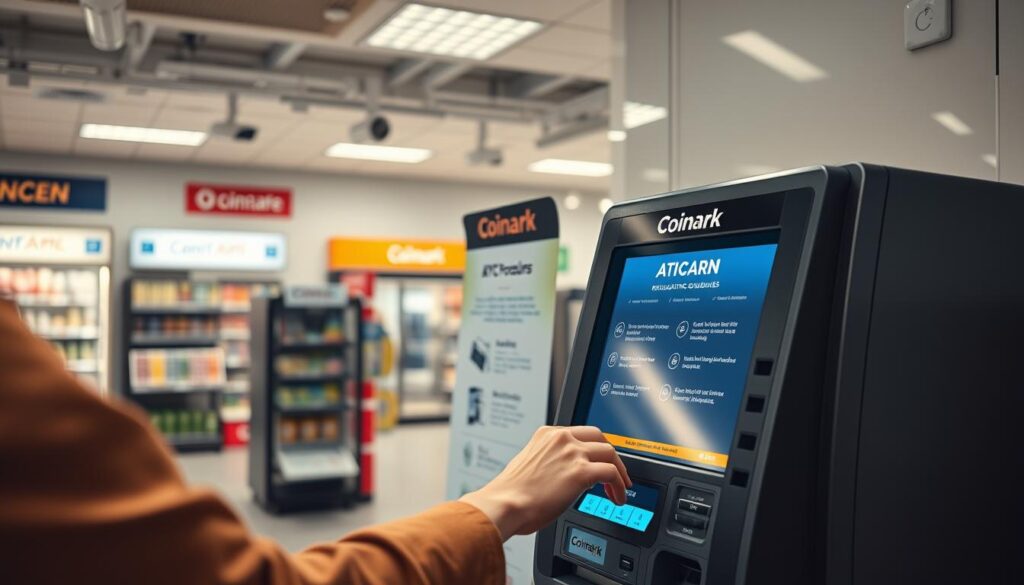
BSA-driven AML programs, SARs, and transaction monitoring
I maintain an AML program tailored to ATMs that names roles, procedures, and controls. I monitor transactions for structuring, rapid repeats, and other red flags.
When patterns meet federal thresholds, I file suspicious activity reports (SARs) promptly. I also train staff to spot coercion and phone pressure and to pause transactions when necessary.
Verification tiers, receipts, and recordkeeping expectations
I use risk-based KYC tiers that collect IDs and extra documentation as volume or risk rises. I keep detailed records: IDs, wallet addresses, amounts, timestamps, and receipts.
| Area | What I do | Customer benefit |
|---|---|---|
| Registration | MSB with FinCEN | Clear oversight |
| Monitoring | Transaction surveillance & SARs | Fraud detection |
| Records | Receipts with wallet info | Traceability |
I align kiosk prompts and disclosures with BSA expectations so customers know what is required. I keep procedures consistent across states while meeting local transmitter laws and money transmitter laws.
Note: At my Coinark Bitcoin ATM, 3108 W Lake Rd, Erie, PA 16505 — https://g.page/r/CZfZxxySCpzYEBM/ — these federal controls shape every transaction.
Pennsylvania focus: money transmitter laws and state oversight
I often find the deciding factor is whether I custody or transmit funds; that determines if I need a Pennsylvania license.
I explain when Pennsylvania’s money transmitter laws cover crypto kiosks by tracing how value moves. If I take custody, convert, or transmit funds, the state treats the activity like other money services. That triggers licensing and oversight.
When PA requirements apply
How I decide: I map transaction flows, record touchpoints, and save that analysis in a compliance memo. This shows if my model fits the money transmitter definition.
Department guidance and exams
The Department of Banking and Securities issues guidance and may examine my AML/KYC controls. Examiners review training logs, audits, policies, and recordkeeping to check alignment with state laws, regulations, and federal duties.
“Clear documentation and routine audits make state exams straightforward.”
| Area | What I keep | Why it matters |
|---|---|---|
| Licensing | Applications, net worth, and bond | Shows financial fitness |
| Controls | AML program, training logs | Exam focus |
| On-site | Disclosures, support contact | Customer protection |
- Maintain federal MSB registration and SAR/CTR processes alongside state filings.
- Keep policies, audits, and training current to maintain a clean license.
- Use a simple checklist to confirm an operator meets state expectations before launch.
Local compliance in Erie: licensing, zoning, and operating standards
I begin every site selection with a check of commercial zoning and landlord approvals.
Business licensing and placement in commercial zones
I obtain Erie business licensing and confirm the site sits in a permitted commercial zone before I install any machine. I also verify landlord approval and on-site insurance.
Visibility matters: the kiosk needs space for posted warnings, cameras, and safe access.
Hours, customer service, and posted disclosures
I post clear warnings about scams and irreversible transactions and display customer service contact methods prominently. I maintain accessible support during operating hours and mirror state best practices with a staffed hotline when possible.
- I keep a local compliance binder with zoning approvals, licenses, maintenance logs, and incident reports.
- I coordinate with store staff so they can spot red flags and direct customers to support.
- I set and display operating hours, maintenance windows, and expected service levels.
My approach builds trust: clear information, predictable service, and fast escalation when issues occur. See the Coinark Bitcoin ATM, 3108 W Lake Rd, Erie, PA 16505 — https://g.page/r/CZfZxxySCpzYEBM/ — as a local example of these standards in practice.
Anti-fraud trends across states and what they mean for Erie operators
I watch actions in other states closely because their anti-fraud moves change my on-site playbook.
Daily limits, refund paths, and fee caps have become common tools. Several states set daily thresholds (typically $1,000–$2,000) to slow scam pressure. Some also require refunds under narrow conditions, especially for new customers who fall prey to impersonation scams.
I use daily limits to give customers time to reconsider and to block rapid high-value requests. I publish a clear refund policy that mirrors emerging rules and explains fees up front so nobody is surprised.
Receipts, warnings, and staffed hotlines
I print receipts that include the recipient’s wallet address so customers and law enforcement have a traceable record. I post bold warnings on screen and on the kiosk about irreversible transfers and common scam scripts.
I keep a staffed hotline during operating hours and train agents to pause transactions, verify identity, and escalate when needed. I also run rules-based filters to flag high-velocity patterns and repeated small deposits that often signal coercion.
“Stop and check: hang up, call our support, and never send cryptocurrency to someone demanding payment over the phone.”
- I log anti-fraud interventions to document how I apply regulation-inspired safeguards.
- Operators should align local services with evolving law and state trends to protect money and customers.
Practical note: at my Coinark Bitcoin ATM, 3108 W Lake Rd, Erie, PA 16505 — https://g.page/r/CZfZxxySCpzYEBM/ — these steps guide daily operations and help reduce scam losses.
Comparing states: strict, flexible, and crypto-friendly regimes
Different states take very different paths, and that directly shapes how I run and price kiosks.
Strict outliers and mid-range approaches
New York enforces a BitLicense that demands heavy compliance and reporting. That model raises costs and tightens consumer protections.
Illinois requires state licensing via its regulator and expects thorough documentation from companies that operate machines. Massachusetts treats Bitcoin ATMs as money transmitters, adding exam and oversight steps.
Light-touch states
New Hampshire has removed oversight in practice, and Wyoming excludes virtual currency from transmitter rules. These approaches lower barriers and speed market entry.
Why this matters for multi-state operators
I adopt the strictest useful practices so customers see consistent warnings, clear receipts, and similar limits across states.
| State | Approach | Impact |
|---|---|---|
| New York | BitLicense (strict) | Higher compliance cost |
| Illinois | State licensing | Detailed oversight |
| Wyoming | Exclusionary | Faster entry |
“I borrow best practices from strict regimes to raise the bar locally.”
- This variety affects pricing, daily limits, and customer prompts at Bitcoin ATMs.
- Keeping up with legislation and rules helps me avoid surprises when expanding.
- At Coinark Bitcoin ATM, 3108 W Lake Rd, Erie, PA 16505 — https://g.page/r/CZfZxxySCpzYEBM/ — I apply these lessons to protect customers.
Spotlight: Coinark Bitcoin ATM in Erie, PA
I inspect the Coinark machine to confirm that messages, fees, and identity prompts are clear to users.
Location and map
Coinark Bitcoin ATM, 3108 W Lake Rd, Erie, PA 16505 — map link.
I share this exact location so customers can find the kiosk quickly. Erie’s growth to 50+ ATMs makes access easy across town.
How I evaluate posted warnings, fees, and KYC prompts on-site
I follow a compact on-site checklist as an operator. I check posted anti-scam warnings, clear fee disclosure, and visible support contact details.
- I confirm KYC prompts appear in the right order and explain what’s needed before a user proceeds.
- I verify receipts include wallet addresses, timestamps, amounts, fees, and a clear trail for money disputes.
- I test customer service availability during kiosk hours and time response speed for urgent calls.
- I ensure local licensing is current, signage is eye level and well-lit, and machine accessibility is smooth.
- I track maintenance, uptime, refund/limit links via QR, and invite feedback from customers to improve services.
Taxes and receipts: how I document crypto ATM transactions
I make receipts and logs, the core of how I protect customers and simplify taxes.
The IRS requires users to report crypto activity, so I print receipts that include wallet address, amount, timestamp, USD value at the time, and fees. Those fields help a taxpayer compute gains or losses and give law enforcement a clear trail if needed.
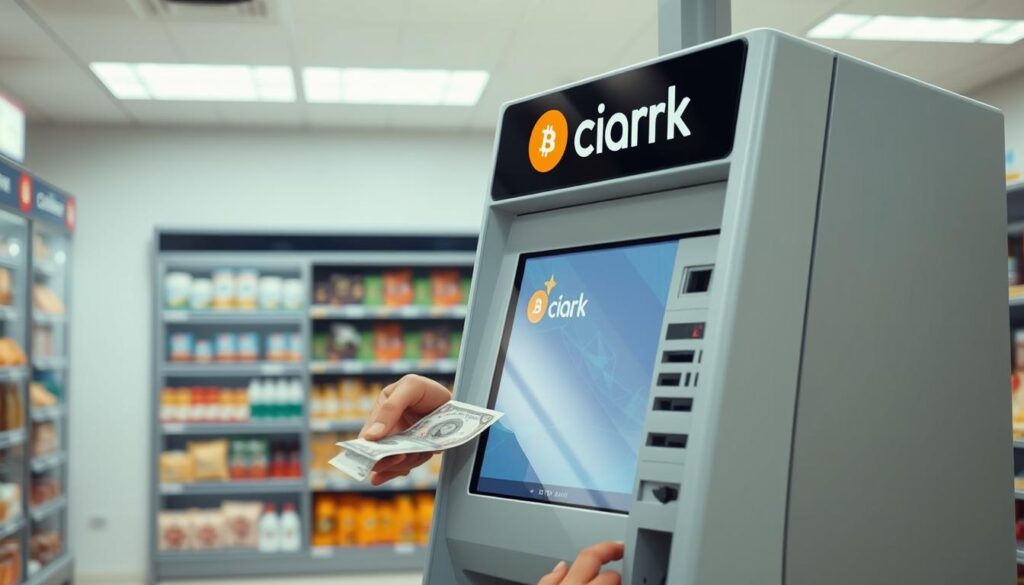
I follow simple recordkeeping rules: save the printed receipt, note the USD value at purchase, and track fees separately. I keep transaction logs that meet documentation requirements while minimizing sensitive data exposure.
- I explain on the kiosk what appears on the receipt and why you should keep it.
- Bring your receipt, wallet address, approximate time, and the machine location (Coinark Bitcoin ATM, 3108 W Lake Rd, Erie, PA 16505) if you need support.
- I encourage customers to consult a tax professional about gains, losses, and state rules.
“Receipts are the cornerstone of consumer protection and help resolve future questions.”
I keep a short guide at the kiosk that explains what to save after a transaction so customers can handle taxes and any follow-up with confidence. My documentation aligns with regulation-inspired expectations and operator requirements.
Risk management for bitcoin atm operators and consumers
Protecting customers and my business means layering insurance, audits, and clear response plans.
I carry targeted insurance—cyber, crime, and business interruption—and I review coverage as transaction volumes rise. I schedule independent audits of AML/KYC, software patching, and physical security to stay ahead of industry threats.
I vet vendors and third-party companies carefully. I check hardware security, update cadence, and SLAs so atms stay stable and secure.
- I keep incident playbooks that show how to freeze, escalate, and notify when a risk appears.
- I document due diligence on transmitters and related partners to support licensing and compliance reviews.
- I train staff and hosts to spot red flags: impersonation calls, urgent payment demands, or gift-card schemes.
Customers should know they can stop and call. I maintain a staffed hotline during kiosk hours so users can pause before they send money.
I refine controls based on audits, feedback, and state trends. At my Coinark Bitcoin ATM, 3108 W Lake Rd, Erie, PA 16505 — https://g.page/r/CZfZxxySCpzYEBM/ — these steps lower losses and build trust with local companies and the wider industry.
Conclusion
I close by summarizing how layered oversight and practical safeguards keep kiosks safe for users and operators alike.
Federal, state, and local steps form a three-layer framework that I follow. These laws, regulations—MSB registration, state money transmitter duties, and local licensing and zoning—work together to reduce fraud and protect money.
I use limits, clear warnings, printed receipts, and a staffed hotline so customers can pause and get help. I track documentation and audits to show compliance and support exams.
Strict states like New York shape my best practices, while New Hampshire’s lighter approach reminds me to stay nimble. Visit the Coinark Bitcoin ATM, 3108 W Lake Rd, Erie, PA 16505 — https://g.page/r/CZfZxxySCpzYEBM/ — to see these safeguards in action.
I welcome feedback as I keep improving policies, signage, and support so every operator and customer can use digital currency with confidence.