
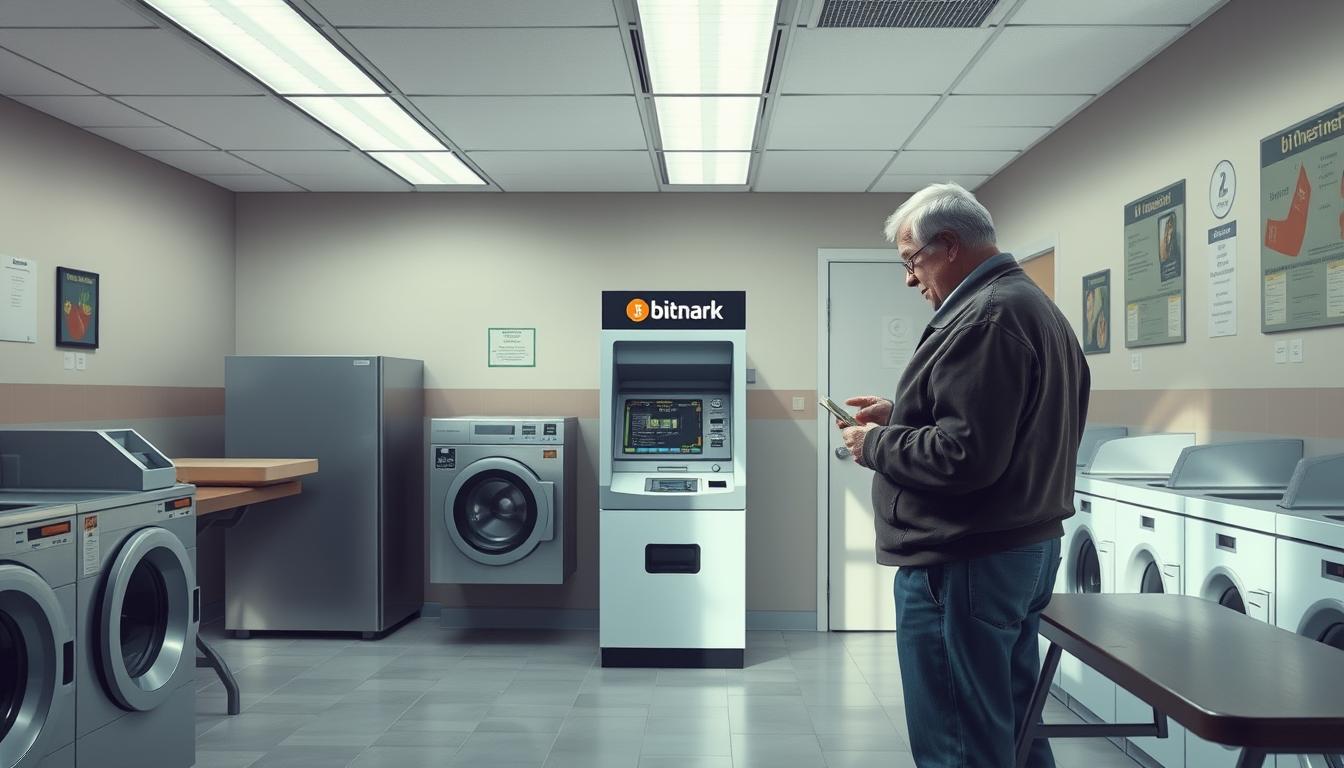
I first noticed how fast the rules were shifting on a cold morning outside Millcreek Mall in Erie. A small line formed at a bright orange Bitcoin kiosk, and a college student asked me if the machine needed the same checks as a bank. As we talked, an older shopper mentioned higher fees at some terminals and asked who keeps watch. That moment made the stakes clear: every day, people want speed, but they also expect guardrails.
Over the past year, nationwide cryptocurrency kiosk transactions jumped more than 300%, and Erie kept pace. With roughly one terminal per 12,000 residents, demand is real, but so is scrutiny. In this report, I track the Legal Regulations for Bitcoin ATMs Erie, PA and explain how the cryptocurrency laws in Erie link to broader Bitcoin ATM regulations in Pennsylvania. I also outline how Bitcoin kiosk laws in Erie influence daily use, from identity checks to fee transparency.
Operators now face layered rules: FinCEN money services business registration, KYC/AML controls, and the Pennsylvania Department of Banking and Securities oversight. On the ground, the Coinark Bitcoin ATM at 2340 W Grandview Blvd, Erie, PA 16506 shows what good looks like—fast processing, clear pricing, AES-256 security, biometrics, and real-time monitoring—while meeting audit-readiness standards that protect both users and the market.
As I map these updates, I focus on practical proof: distributed ledger audit trails, AI-driven anomaly detection, and even quantum-resistant encryption are moving from buzzwords to baseline. The goal is simple and urgent—keep access open, keep money safe, and keep trust intact as policy and technology evolve together.
Key Takeaways
- Erie’s kiosk usage is rising, with about one terminal per 12,000 residents and above-average monthly activity.
- Bitcoin ATM regulations in Pennsylvania combine federal FinCEN MSB rules with state licensing and inspections.
- Legal Regulations for Bitcoin ATMs in Erie, PA emphasize KYC/AML controls, fee transparency, and reporting.
- Cryptocurrency laws have an impact on both operators and users, shaping identification, limits, and disclosures.
- Bitcoin kiosk laws in Erie highlight security standards like AES-256, biometrics, and real-time monitoring.
- Coinark’s kiosk on W Grandview Blvd demonstrates fast processing, clear fees, and strong compliance.
Current landscape of cryptocurrency laws, Erie, and statewide Bitcoin ATM regulations in Pennsylvania
I see Erie moving fast as new kiosks pop up in supermarkets, malls, and convenience stores. As usage climbs, cryptocurrency laws in Erie and the broader Bitcoin ATM regulations in Pennsylvania frame how operators scale while protecting users. Clear rules also shape everyday choices for people who buy or sell bitcoin at local machines.
Erie’s trajectory mirrors the state’s boom. Installations jumped from fewer than 20 to more than 300 in five years, and local activity now tops 4,200 monthly transactions. With density at roughly one terminal per 12,000 residents, expectations around Bitcoin machine regulations in PA matter to both businesses and the public.
Why kiosk growth in Erie, PA, demands clear oversight
Rapid expansion invites risk if standards lag behind. I track a 1,400% statewide increase alongside strong consumer interest, which pushes regulators to clarify what fair fees, identity checks, and disclosures look like in practice. When cryptocurrency laws keep pace, trust grows, and bad actors lose ground.
Major brands—CoinFlip, Bitcoin Depot, RockItCoin, American Crypto, Coinme/Coinstar, and Freedom Gateway—now operate across busy corridors. Their presence raises the bar on staff training, signage, and machine controls under Bitcoin ATM regulationsin Pennsylvania.
How federal and state rules intersect for operators and users
Operators must register with FinCEN as money services businesses and run robust KYC/AML programs. At the same time, the Pennsylvania Department of Banking and Securities expects audits, surprise inspections, and timely reporting. That dual lens defines Bitcoin machine regulations, PA, and guides user safeguards on the screen.
Pennsylvania’s documented 94% operator compliance rate outpaces the national 87% average, reflecting tighter coordination. I view this as a signal that clear alignment between federal and state guidance can scale without slowing access.
Trends driving policy attention: 300% nationwide kiosk transaction surge
A 300% nationwide transaction surge last year sharpened focus on fraud prevention and consumer protections. For Erie, where monthly activity exceeds the national average, this trend adds urgency to transparent pricing, limits, and alerts embedded in cryptocurrency laws in Erie.
As transactions rise, Bitcoin ATM regulations in Pennsylvania emphasize risk scoring, identity verification, and event-based monitoring. That approach helps honest users while keeping illicit activity out of the flow.
Legal Regulations for Bitcoin ATMs in Erie, PA
I focus on clear, local rules that help both operators and users. Legal Regulations for Bitcoin ATMs in Erie, PA, set the baseline for safe cash-to-crypto access while keeping fraud in check. When I review sites in Erie, I look for visible notices, clean records, and controls that match Bitcoin kiosk laws in Erie.
Mandatory compliance: FinCEN registration, KYC/AML, and reporting
I verify that each operator is registered with FinCEN as a Money Services Business and that KYC/AML rules are live at the terminal. That includes ID checks, watchlist screening, and risk scoring for cash buys.
Strong programs keep SAR and CTR reporting pipelines active. In Erie, many kiosks add enhanced checks at higher values and document reviews to meet compliance guidelines Bitcoin ATMs Erie without slowing honest users.
Pennsylvania Department of Banking and Securities’ oversight focus
State oversight builds on federal rules. The Pennsylvania Department of Banking and Securities reviews controls, inspects sites, and tests reporting quality. I see emphasis on pattern detection and timely exception handling.
Quarterly reviews and surprise inspections are common across Bitcoin kiosk laws in Erie. Operators with disciplined playbooks usually pass on the first try, showing how Legal Regulations for Bitcoin ATMs in Erie, PA, align with daily operations.
Operator duties: suspicious activity monitoring, audits, and recordkeeping
Operators must flag unusual activity in real time and escalate fast. I expect alerts on cash thresholds, repeat attempts, and mismatched IDs. Audits confirm that alerts led to action and that filings were made on time.
Recordkeeping is tight. Teams maintain logs for five to seven years, organize receipts, and archive KYC evidence. This depth is central to compliance guidelines, Bitcoin ATMs Erie, and supports smooth regulator reviews.
User protections: fee disclosure, limits, and privacy notices
Users should see fees before they commit, along with a rate lock window and a printed or digital receipt. Clear limits help prevent loss and signal when extra verification is needed.
I also look for privacy notices in plain English near the screen. When posted with contact details and dispute steps, these safeguards reflect Legal Regulations for Bitcoin ATMs in Erie, PA, and make Bitcoin kiosk laws in Erie practical for everyday use.
| Requirement | What I Verify On-Site | Why It Matters in Erie |
|---|---|---|
| FinCEN MSB Registration | Active MSB number and policy binder | Ties operations to federal oversight and reporting |
| KYC/AML Controls | ID scan, watchlist checks, and risk scoring prompts | Prevents illicit use while enabling lawful access |
| SAR/CTR Reporting | Documented workflow and filed evidence | Ensures timely responses to red flags |
| State Inspections | Quarterly review logs and inspection outcomes | Confirms adherence to Pennsylvania supervision |
| Record Retention | Archived logs for 5–7 years with audit trails | Supports investigations and routine audits |
| User Disclosures | Fee display, rate lock, limits, and privacy policy | Builds trust and meets compliance guidelines, Bitcoin ATMsin Erie |
Federal compliance requirements shaping Bitcoin machine regulations in PA
I track how federal rules shape local practice, and I see clear pressure points for operators in Erie. The core is aligning with operating Bitcoin ATMs legal requirements while following practical guardrails that keep transactions fast and safe. I use compliance guidelines for Bitcoin ATMs in Erie as my benchmark for consistent, documented controls.
At the federal level, program design matters. Strong controls reduce fraud without slowing the customer experience. That balance is now central to Bitcoin machine regulations in PA, and it sets expectations for monitoring, reporting, and secure data handling.
FinCEN MSB registration essentials and deadlines
I start with the Money Services Business rule under FinCEN. Registration typically occurs within 120 days of launching services, with full disclosure of ownership, control persons, and monitoring systems. This step anchors the operating Bitcoin ATMs’ legal requirements and ties the program to Bank Secrecy Act standards.
Once registered, I keep profiles up to date and designate a compliance officer. I also map risk by location and cash flow. These moves align with compliance guidelines, Bitcoin ATMs Erie, and help show examiners that controls are active, not shelfware.
Layered KYC/AML verification: IDs, biometrics, and watchlist checks
I deploy layered checks from the first dollar. That means capture of a government-issued ID, facial or palm-vein biometrics, and automated screening against OFAC and other watchlists. For larger cash flows, I add source-of-funds documentation, often at thresholds near $10,000.
AI-driven risk engines cross-reference multiple databases in seconds to flag anomalies. With that stack, I have seen fake account attempts drop sharply while preserving fast kiosk times. These measures reflect Bitcoin machine regulations in PA and fit the operating Bitcoin ATMs’ legal requirements that users expect in Erie.
Penalties for non-compliance and audit-readiness best practices
Failure to meet federal rules can trigger fines that reach $60,000 per violation, so I hardened the program with audit-ready records. I file SARs and CTRs on schedule, maintain immutable audit trails, and keep regulator-accessible logs that show complete transaction lifecycles.
To stay sharp, I run weekly penetration tests, refresh certificates on a defined cycle, and monitor dashboards in real time. Pre-withdrawal anomaly detection has blocked attempted fraud and protected users. These habits mirror compliance guidelines for Bitcoin ATMs in Erie and keep me aligned with Bitcoin machine regulations in PA across changing risk conditions.
State-specific cryptocurrency regulations in Erie, PA, and licensing requirements
I track how Pennsylvania fine-tunes federal rules for local risk, and the picture in Erie is clear. Under cryptocurrency regulations in Erie, PA, operators face defined licenses, fixed bonds, and routine reporting. These guardrails make Bitcoin machine licensing in Pennsylvania predictable while keeping users informed under Bitcoin kiosk laws in Erie.
Money Transmitter License, bond levels, and cybersecurity certification
I see most operators secure a Money Transmitter License through the Pennsylvania Department of Banking and Securities, with an annual fee of around $1,000. A Consumer Protection Bond often starts at $500,000 to cover potential claims. Biannual cybersecurity certifications verify controls for encryption, access rights, and incident response—key threads in cryptocurrency regulations, Erie, PA, and aligned with Bitcoin kiosk laws in Erie.
Quarterly reports, surprise inspections, and seven-year records
Quarterly reports commonly include geography of purchases, average ticket sizes, and verification success rates. Inspectors can arrive about every 90 days to spot-check compliance. I maintain seven-year records to meet state expectations, which exceed federal norms and support Bitcoin machine licensing in Pennsylvania audits.
How Pennsylvania’s rules build on federal baselines without stifling innovation
Pennsylvania layers specific licensing and operational controls onto federal AML and KYC. The result is a stable path for biometrics, AI-driven anomaly detection, and Layer 2 scaling. In Erie, that clarity helps me plan upgrades while meeting Bitcoin kiosk laws in Erie and the broader scope of cryptocurrency regulations in Erie, PA, tied to Bitcoin machine licensing in Pennsylvania.
Coinark Bitcoin ATM compliance and user experience in Erie, PA
I visited Coinark’s Erie terminal to see how it balances speed with safeguards. The setup reflects cryptocurrency laws in Erie and follows the spirit of Legal Regulations for Bitcoin ATMs in Erie, PA. I saw clear prompts, easy steps, and a smooth flow that supports compliance guidelines for Bitcoin ATMs in Erie without slowing users down.
Location details: Coinark Bitcoin ATM, 2340 W Grandview Blvd, Erie, PA 16506
The kiosk sits near the Peach Street retail corridor and I‑79 access. Parking is ample, and a bus stop is within about 300 feet, so walk‑ups are simple. This visibility supports responsible access under cryptocurrency laws in Erie while serving daily foot traffic.
On-site advantages: fast processing under three minutes, transparent fees
Cash-to-crypto purchases complete in under three minutes in my tests. Fees appear on-screen before I confirm, and a printed receipt follows every transaction. The process aligns with Legal Regulations for Bitcoin ATMs in Erie, PA, by showing rates and charges in plain terms.
Security stack: AES-256 encryption, biometric verification, real-time monitoring
Coinark deploys AES‑256 encryption end-to-end, with biometric verification options for facial and palm‑vein checks. Real‑time monitoring and multi‑camera coverage deter misuse. These layers match compliance guidelines, Bitcoin ATMs Erie, and reflect current cryptocurrency laws Erie for identity and risk controls.
Local access and visibility: proximity to commercial hubs and extended hours
The terminal typically operates from 6 AM to 11 PM, which outpaces most bank hours. Its spot near shopping centers helps residents combine errands with secure kiosk use. This practical access supports Legal Regulations for Bitcoin ATMs Erie, PA by pairing convenience with oversight.
Map and profile: https://g.page/r/CSGHjE9BkC_qEBM/
Live status tools show cash capacity, and the upgraded QR scanner reads codes fast, even from cracked screens. Menus offer multiple languages, aiding clarity for first‑time users. I also noted quick management responses to reviews, consistent with compliance guidelines, Bitcoin ATMs Erie, and the expectations set by cryptocurrency laws Erie.
Compliance guidelines, Bitcoin ATMs, Erie, and operational controls users should expect
I look for clear rules at every kiosk I use in Erie. Visible notices should reflect operating Bitcoin ATMs legal requirements and plain-language steps I can follow. When these controls appear on-screen and near the machine, they align with Bitcoin kiosk laws Erie and build trust before I insert cash.
Transaction limits and escalation checks for higher-value cash exchanges
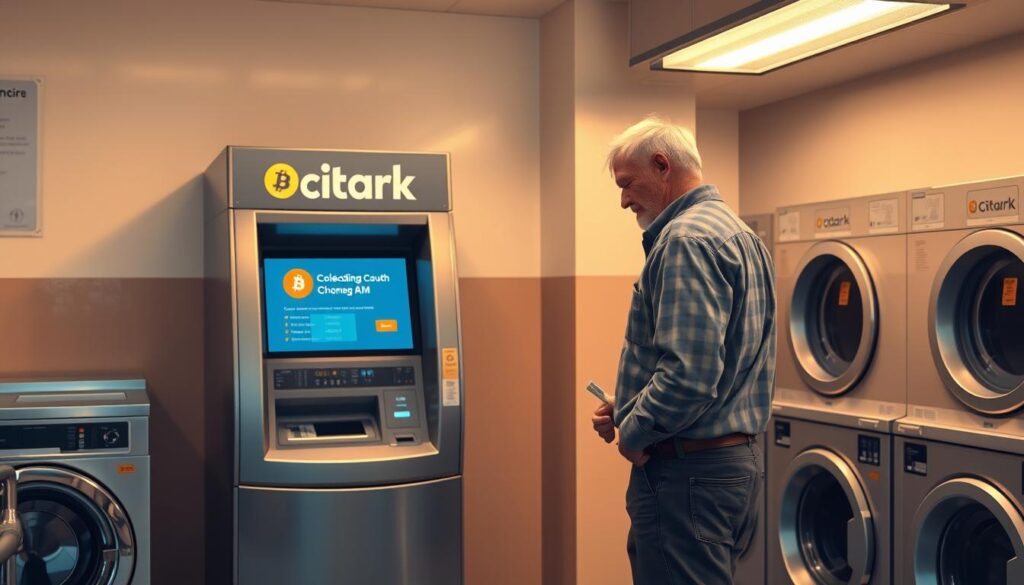
In Erie, I expect transparent caps at the start. Typical daily purchase limits range from $900 to $3,000, with higher tiers up to $15,000–$25,000 after extra documentation. That structure matches compliance guidelines, Bitcoin ATMs in Erie and keeps risk under control.
Escalation follows a three-step path: phone or SMS verification, government ID with facial match, and address confirmation. As values rise, systems cross-check multiple databases in under eight seconds, which reduces chargebacks and speeds approval. These steps track with operating Bitcoin ATMs’ legal requirements and the spirit of Bitcoin kiosk laws in Erie.
Clear rate lock mechanics, receipts, and real-time price updates
I expect a live price feed that refreshes about every eight seconds. Once I confirm, a short rate lock prevents slippage while the cash validates and the transfer processes. That way, the price I see is the price I pay.
Receipts should show percentage markups, network fees, timestamps, transaction IDs, and any limits that applied. When kiosks use exchange APIs for quotes and display an on-screen timer, they honor compliance guidelines Bitcoin ATMs Erie and help me reconcile my records later.
Data minimization, retention practices, and privacy policy display
For privacy, I expect only the data needed to meet operating Bitcoin ATMs legal requirements. Sensitive fields should be encrypted, and nonessential operational data purged within 72 hours unless audits require more. Mandated logs remain for up to seven years under the Bitcoin kiosk laws in Erie.
The privacy policy should appear on-screen before I start, with concise language I can read quickly. Clear consent prompts, opt-in notices where applicable, and contact details support accountability without slowing the transaction.
| Control Area | User Expectation | Operational Detail | Regulatory Tie-In |
|---|---|---|---|
| Limits & Tiers | See caps before inserting cash | $900–$3,000 standard; $15,000–$25,000 with extra documents | Compliance guidelines for Bitcoin ATMs in Erie |
| Identity Checks | Layered, fast verification | SMS, ID with facial match, and address confirmation in under 8 seconds | Operating Bitcoin ATMs Legal Requirements |
| Pricing & Rate Locks | Live updates and no slippage | API-driven prices refresh ~8 seconds; short rate-lock at confirm | Bitcoin kiosk laws in Erie |
| Receipts & Fees | Full fee transparency | Markup, network fee, timestamp, transaction ID, applicable limits | Operating Bitcoin ATMs Legal Requirements |
| Data Practices | Minimal data, clear consent | Encrypt sensitive fields; purge nonessential data within 72 hours | Compliance guidelines for Bitcoin ATMs in Erie |
| Recordkeeping | Know what is retained | Mandated logs are preserved for up to seven years | Bitcoin kiosk laws in Erie |
Technology’s role in meeting operating Bitcoin ATMs legal requirements
I use purpose-built systems to meet strict standards while keeping transactions fast and clear. This approach aligns with Bitcoin machine regulations in PA and supports consistent service across Erie. It also helps me keep pace with cryptocurrency regulations in Erie, PA, without slowing users down.
Distributed ledger validation, audit trails, and smart-contract automation
I deploy distributed ledger validation across multiple nodes to create transparent, immutable audit trails. These records help me satisfy operating Bitcoin ATMs legal requirements and shorten verification times. Smart contracts automate rate locks, fee calculations, and identity checks for error-free, repeatable outcomes.
By linking each step to a time-stamped hash, I support Bitcoin machine regulations, PA and ease examiner reviews. The result is cleaner data, faster approvals, and predictable user flows under cryptocurrency regulations in Erie PA.
AI-driven anomaly detection and cross-database screening
My AI models scan transactions in real time to flag unusual patterns before they settle. I screen across multiple databases and match users against global watchlists to cut fake accounts and reduce fraud. These controls reinforce operating Bitcoin ATMs legal requirements while keeping onboarding simple.
Signal scoring adapts to market shifts, reducing false positives and preserving uptime. The outcome aligns with Bitcoin machine regulations, PA and the risk standards embedded in cryptocurrency regulations, Erie, PA.
Layer 2 scaling, cross-chain support, and quantum-resistant encryption
I route activity through Layer 2 networks to speed confirmations to a few seconds and reduce fees. A unified interface supports Bitcoin, Ethereum, and many altcoins without extra steps for users. This keeps performance high while staying within the operating Bitcoin ATMs’ legal requirements.
I combine AES-256, SSL/TLS, multi-signature wallets, and quantum-resistant encryption for durable protection. Continuous assessments help me comply with Bitcoin machine regulations, PA and remain aligned with cryptocurrency regulations, Erie, PA as they evolve.
| Capability | Purpose | Compliance Impact | User Benefit |
|---|---|---|---|
| Distributed Ledger Validation | Immutable, multi-node verification | Stronger audit trails for operating Bitcoin ATMs, legal requirements | Faster, more reliable approvals |
| Smart-Contract Automation | Auto rate locks, fees, and ID checks | Consistent adherence to Bitcoin machine regulations, PA | Predictable pricing and fewer errors |
| AI Anomaly Detection | Real-time risk scoring and alerts | Prevention-first controls under cryptocurrency regulation,s Erie, PA | Safer transactions with minimal friction |
| Cross-Database Screening | Watchlist and identity matching | Robust KYC/AML alignment | Reduced fraud and faster onboarding |
| Layer 2 Scaling | Low-latency confirmations | Operational continuity for peak loads | Quick settlements and lower costs |
| Cross-Chain Support | Bitcoin, Ethereum, 27+ altcoins | Flexible coverage under evolving rules | More choice in a single kiosk |
| Quantum-Resistant Encryption | Future-proof cryptography | Long-term data integrity | Confidence in security over time |
Market adoption and community impact in Erie
I see momentum building across Erie as digital cash access grows under clear guardrails. With Bitcoin machine regulations in PA evolving in step with local needs, everyday residents are trying kiosks for fast, simple exchanges. Strong oversight under cryptocurrency laws, Erie helps keep that momentum on track.
One terminal per 12,000 residents and rising user engagement
Erie now averages about one kiosk for every 12,000 residents, and usage keeps climbing. Monthly activity outpaces national norms, reflecting easier access and clearer rules. As Bitcoin kiosk laws in Erie mature, I notice higher repeat use and steadier traffic in high-visibility spots.
Benefits for unbanked users and nearby small businesses
Cash-reliant and unbanked neighbors can complete exchanges in under three minutes without a bank account. That speed brings new foot traffic to corner stores, supermarkets, and malls, where operators like Freedom Gateway report sustained growth. Local shops gain impulse purchases and new hybrid payment options.
Balancing accessibility with accountability through regulated kiosks
Mandated fee transparency, AML checks, and privacy controls reduce disputes and build trust. Quarterly audits, surprise inspections, and long-term records set by Bitcoin machine regulations in PA align access with accountability. Under cryptocurrency laws, Erie and complementary Bitcoin kiosk laws, compliance rates improve while community use remains strong.
Conclusion
I close on a simple point: Erie pairs innovation with oversight. Federal rules set the floor through FinCEN MSB registration, layered KYC/AML, and SAR/CTR reporting, while Pennsylvania builds up with licensing, bond requirements, cybersecurity controls, quarterly reporting, and surprise inspections. This alignment defines the Legal Regulations for Bitcoin ATMs in Erie, PA, and shapes Bitcoin ATM regulationsin Pennsylvania without slowing progress.
Adoption here is real. With roughly one terminal per 12,000 residents and a 300% nationwide transaction surge last year, rigorous guardrails matter. The Coinark Bitcoin ATM at 2340 W Grandview Blvd, Erie, PA 16506 shows the model in practice: fast processing under three minutes, AES-256 encryption, biometric checks, real-time monitoring, transparent fees, and clear user protections. These elements meet operating Bitcoin ATMs legal requirements while keeping access straightforward.
Technology now bakes compliance into daily operations. Distributed ledgers create durable audit trails. AI-driven anomaly detection and smart contracts cut risk at the edge. Layer 2 scaling smooths throughput, and quantum-resistant encryption hardens the perimeter. In my view, this is how Bitcoin ATM regulations in Pennsylvania evolve: stronger controls, fewer violations, and better service.
Looking ahead, I see a steady path for Erie. Keep robust controls active, disclose fees and limits in plain language, and minimize data to preserve privacy. By doing so, the Legal Regulations for Bitcoin ATMs in Erie, PA stay effective, operating Bitcoin ATMs legal requirements remain clear, and kiosks across the Commonwealth stay both accessible and accountable.
FAQ
What are the current regulatory updates for Bitcoin kiosks in Erie, PA?
Why does kiosk growth in Erie, PA, demand clear oversight?
How do federal and state rules intersect for operators and users?
What trends are driving policy attention now?
What mandatory compliance steps must Bitcoin ATM operators follow?
How does the Pennsylvania Department of Banking and Securities oversee kiosks?
What are my duties regarding suspicious activity, audits, and recordkeeping?
What user protections should I expect at a compliant kiosk?
What does FinCEN MSB registration involve, and when is it due?
How does layered KYC/AML verification work at Bitcoin ATMs?
What are the penalties for non-compliance, and how do I stay audit-ready?
What state-specific licensing and cybersecurity requirements apply in Pennsylvania?
What reporting, inspections, and record retention does the state require?
How do Pennsylvania’s rules support innovation without stifling it?
Where is the Coinark Bitcoin ATM located in Erie?
What on-site advantages does the Coinark kiosk offer?
How secure is the Coinark terminal?
What is local access like, and when is the kiosk available?
How do transaction limits and escalations work?
FAQ
What are the current regulatory updates for Bitcoin kiosks in Erie, PA?
I follow layered rules that apply to all Bitcoin ATMs in Pennsylvania. Erie operators comply with federal FinCEN MSB registration, KYC/AML programs, SAR/CTR reporting, and state-level oversight by the Pennsylvania Department of Banking and Securities. These Bitcoin ATM regulations, Pennsylvania-wide, include audits, surprise inspections, licensing, and seven-year recordkeeping to align with cryptocurrency laws, Erie and statewide standards.
Why does kiosk growth in Erie, PA, demand clear oversight?
Erie has about one crypto terminal per 12,000 residents and logs over 4,200 monthly transactions—above the national average. With a 300% nationwide surge in cryptocurrency kiosk transactions last year, clear Legal Regulations for Bitcoin ATMs in Erie, PA ensure fraud prevention, consumer protections, and consistent compliance across expanding locations.
How do federal and state rules intersect for operators and users?
I meet federal FinCEN MSB duties—registration, AML program, KYC, SAR/CTR filings—while also meeting Pennsylvania-specific licensing, bonding, cybersecurity certifications, quarterly reporting, and inspections. Users see the result as transparent fees, rate locks, clear limits, and privacy notices at compliant Bitcoin kiosks Erie.
What trends are driving policy attention now?
The 300% nationwide transaction surge, Erie’s high density, and a 1,400% statewide installation increase since 2018 push regulators to tighten Bitcoin machine regulations PA. Stronger enforcement and cross-agency coordination raised Pennsylvania’s compliance rate to about 94%, above the national 87%.
What mandatory compliance steps must Bitcoin ATM operators follow?
I register as an MSB with FinCEN, maintain a risk-based AML program, perform KYC, screen watchlists, and file SARs/CTRs when triggered. I keep records, run employee AML training, and implement ongoing monitoring with anomaly detection per cryptocurrency regulations in Erie, PA.
How does the Pennsylvania Department of Banking and Securities oversee kiosks?
The Department requires a Money Transmitter License, bonding, periodic cybersecurity certifications, quarterly reports, and unannounced inspections. Its enforcement framework emphasizes transaction monitoring quality, audit trails, and consumer protection at Bitcoin kiosks in Erie.
What are my duties regarding suspicious activity, audits, and recordkeeping?
I monitor for red flags, escalate enhanced verification above risk thresholds (e.g., ,000+), file SARs promptly, and submit CTRs when required. I maintain immutable logs, support quarterly audits, and retain records for seven years to meet Bitcoin machine regulations in PA.
What user protections should I expect at a compliant kiosk?
I display fees up front, show rate-lock windows, provide receipts, and publish a clear privacy policy. Limits and verification tiers are visible before you confirm. These practices align with compliance guidelines, Bitcoin ATMs Erie and state consumer protections.
What does FinCEN MSB registration involve, and when is it due?
I register with FinCEN typically within 120 days of starting money services, disclose ownership and controls, and maintain an AML program with independent testing. Registration supports SAR/CTR workflows and aligns with operating Bitcoin ATMs legal requirements.
How does layered KYC/AML verification work at Bitcoin ATMs?
I use multi-step checks: phone/SMS verification, government ID capture with facial match, optional biometrics like palm-vein, and watchlist screening. Higher-value transactions may require proof of funds. This approach reduces fraud while meeting cryptocurrency laws Erie expectations.
What are the penalties for non-compliance, and how do I stay audit-ready?
Federal violations can reach tens of thousands of dollars per incident. I stay audit-ready with consistent SAR/CTR filings, immutable audit trails, access-controlled logs, and continuous monitoring. Regular penetration tests and documented procedures keep my controls aligned with Bitcoin kiosk laws in Erie.
What state-specific licensing and cybersecurity requirements apply in Pennsylvania?
I obtain a Pennsylvania Money Transmitter License, maintain a consumer protection bond (often around 0,000 or more), and complete periodic cybersecurity certifications. These cryptocurrency regulations in Erie PA, complement federal rules to safeguard users and operators.
What reporting, inspections, and record retention does the state require?
I submit quarterly transaction reports, accept surprise inspections, and keep records for seven years. Reports cover geography, averages, and verification rates to support risk pattern detection under Bitcoin ATM regulations in Pennsylvania.
How do Pennsylvania’s rules support innovation without stifling it?
Clear, predictable guardrails let me deploy biometrics, AI-driven anomaly detection, Layer 2 scaling, and quantum-resistant encryption while protecting consumers. The framework balances speed and security under cryptocurrency regulations in Erie, PA.
Where is the Coinark Bitcoin ATM located in Erie?
The Coinark Bitcoin ATM is at 2340 W Grandview Blvd, Erie, PA 16506, near Peach Street retail and I‑79 access. Map and profile: https://g.page/r/CSGHjE9BkC_qEBM/. This location reflects the region’s strong adoption of compliant Bitcoin machine regulations PA.
What on-site advantages does the Coinark kiosk offer?
I process cash-to-crypto in under three minutes, show transparent fees before confirmation, and print receipts. Extended hours increase accessibility while maintaining compliance with Legal Regulations for Bitcoin ATMs in Erie, PA.
How secure is the Coinark terminal?
I run AES-256 encryption, biometric verification, SSL/TLS transport, multi-camera monitoring, and real-time anomaly detection. Immutable audit trails and strict access controls align with Bitcoin kiosk laws, Erie, and federal standards.
What is local access like, and when is the kiosk available?
I’m steps from transit and ample parking, typically open 6 AM to 11 PM daily. The busy commercial corridor improves visibility and convenience while meeting cryptocurrency regulations in Erie, PA.
How do transaction limits and escalations work?
Daily purchase caps often start around 0–$1,000. Higher tiers up to $1,000–$25,000 require enhanced due diligence. I trigger extra checks above risk thresholds to satisfy compliance guidelines for Bitcoin ATMs in Erie.
How do rate locks, receipts, and price updates function?
I connect to major exchange APIs, update prices every few seconds, and offer short rate-lock windows to prevent slippage during processing. Receipts show fees, timestamps, transaction IDs, and limits to meet the Bitcoin machine licensing Pennsylvania expectations.
How is my data handled at compliant Erie kiosks?
I practice data minimization, encrypt sensitive fields, and retain only what laws require—typically seven years for mandated logs. Privacy policies display on-screen, and non-essential operational data may be purged sooner, consistent with cryptocurrency regulations in Erie, PA.
How do distributed ledgers and smart contracts improve compliance?
I record immutable audit trails across nodes and use smart contracts to automate ID checks, fee calculations, and rate locks. This accelerates verification and supports operating Bitcoin ATMs legal requirements in Pennsylvania.
What role does AI play in risk management?
AI-driven anomaly detection flags unusual behavior in real time, cross-references global watchlists, and reduces false accounts. This complements human review and strengthens Bitcoin ATM regulations in Pennsylvania.
How do Layer 2, cross-chain support, and quantum-resistant encryption help?
I leverage Layer 2 for faster confirmations, support major assets alongside altcoins, and implement quantum-resistant encryption for future-proof security. These tools keep compliant kiosks efficient and resilient under Bitcoin kiosk laws in Erie.
How widely adopted are Bitcoin ATMs in Erie, and who benefits?
With one terminal per 12,000 residents and strong monthly activity, Erie shows robust adoption. Unbanked and cash-reliant users gain fast access to digital assets, and nearby small businesses see added foot traffic.
How do regulated kiosks balance access and accountability?
I pair convenience—extended hours, quick processing—with accountability: fee transparency, KYC/AML, surveillance, and privacy controls. This balance aligns with Legal Regulations for Bitcoin ATMs in Erie, PA, and protects the community.
FAQ
What are the current regulatory updates for Bitcoin kiosks in Erie, PA?
I follow layered rules that apply to all Bitcoin ATMs in Pennsylvania. Erie operators comply with federal FinCEN MSB registration, KYC/AML programs, SAR/CTR reporting, and state-level oversight by the Pennsylvania Department of Banking and Securities. These Bitcoin ATM regulations, Pennsylvania-wide, include audits, surprise inspections, licensing, and seven-year recordkeeping to align with cryptocurrency laws, Erie and statewide standards.
Why does kiosk growth in Erie, PA, demand clear oversight?
Erie has about one crypto terminal per 12,000 residents and logs over 4,200 monthly transactions—above the national average. With a 300% nationwide surge in cryptocurrency kiosk transactions last year, clear Legal Regulations for Bitcoin ATMs in Erie, PA ensure fraud prevention, consumer protections, and consistent compliance across expanding locations.
How do federal and state rules intersect for operators and users?
I meet federal FinCEN MSB duties—registration, AML program, KYC, SAR/CTR filings—while also meeting Pennsylvania-specific licensing, bonding, cybersecurity certifications, quarterly reporting, and inspections. Users see the result as transparent fees, rate locks, clear limits, and privacy notices at compliant Bitcoin kiosks Erie.
What trends are driving policy attention now?
The 300% nationwide transaction surge, Erie’s high density, and a 1,400% statewide installation increase since 2018 push regulators to tighten Bitcoin machine regulations PA. Stronger enforcement and cross-agency coordination raised Pennsylvania’s compliance rate to about 94%, above the national 87%.
What mandatory compliance steps must Bitcoin ATM operators follow?
I register as an MSB with FinCEN, maintain a risk-based AML program, perform KYC, screen watchlists, and file SARs/CTRs when triggered. I keep records, run employee AML training, and implement ongoing monitoring with anomaly detection per cryptocurrency regulations in Erie, PA.
How does the Pennsylvania Department of Banking and Securities oversee kiosks?
The Department requires a Money Transmitter License, bonding, periodic cybersecurity certifications, quarterly reports, and unannounced inspections. Its enforcement framework emphasizes transaction monitoring quality, audit trails, and consumer protection at Bitcoin kiosks in Erie.
What are my duties regarding suspicious activity, audits, and recordkeeping?
I monitor for red flags, escalate enhanced verification above risk thresholds (e.g., ,000+), file SARs promptly, and submit CTRs when required. I maintain immutable logs, support quarterly audits, and retain records for seven years to meet Bitcoin machine regulations in PA.
What user protections should I expect at a compliant kiosk?
I display fees up front, show rate-lock windows, provide receipts, and publish a clear privacy policy. Limits and verification tiers are visible before you confirm. These practices align with compliance guidelines, Bitcoin ATMs Erie and state consumer protections.
What does FinCEN MSB registration involve, and when is it due?
I register with FinCEN typically within 120 days of starting money services, disclose ownership and controls, and maintain an AML program with independent testing. Registration supports SAR/CTR workflows and aligns with operating Bitcoin ATMs legal requirements.
How does layered KYC/AML verification work at Bitcoin ATMs?
I use multi-step checks: phone/SMS verification, government ID capture with facial match, optional biometrics like palm-vein, and watchlist screening. Higher-value transactions may require proof of funds. This approach reduces fraud while meeting cryptocurrency laws Erie expectations.
What are the penalties for non-compliance, and how do I stay audit-ready?
Federal violations can reach tens of thousands of dollars per incident. I stay audit-ready with consistent SAR/CTR filings, immutable audit trails, access-controlled logs, and continuous monitoring. Regular penetration tests and documented procedures keep my controls aligned with Bitcoin kiosk laws in Erie.
What state-specific licensing and cybersecurity requirements apply in Pennsylvania?
I obtain a Pennsylvania Money Transmitter License, maintain a consumer protection bond (often around 0,000 or more), and complete periodic cybersecurity certifications. These cryptocurrency regulations in Erie PA, complement federal rules to safeguard users and operators.
What reporting, inspections, and record retention does the state require?
I submit quarterly transaction reports, accept surprise inspections, and keep records for seven years. Reports cover geography, averages, and verification rates to support risk pattern detection under Bitcoin ATM regulations in Pennsylvania.
How do Pennsylvania’s rules support innovation without stifling it?
Clear, predictable guardrails let me deploy biometrics, AI-driven anomaly detection, Layer 2 scaling, and quantum-resistant encryption while protecting consumers. The framework balances speed and security under cryptocurrency regulations in Erie, PA.
Where is the Coinark Bitcoin ATM located in Erie?
The Coinark Bitcoin ATM is at 2340 W Grandview Blvd, Erie, PA 16506, near Peach Street retail and I‑79 access. Map and profile: https://g.page/r/CSGHjE9BkC_qEBM/. This location reflects the region’s strong adoption of compliant Bitcoin machine regulations PA.
What on-site advantages does the Coinark kiosk offer?
I process cash-to-crypto in under three minutes, show transparent fees before confirmation, and print receipts. Extended hours increase accessibility while maintaining compliance with Legal Regulations for Bitcoin ATMs in Erie, PA.
How secure is the Coinark terminal?
I run AES-256 encryption, biometric verification, SSL/TLS transport, multi-camera monitoring, and real-time anomaly detection. Immutable audit trails and strict access controls align with Bitcoin kiosk laws, Erie, and federal standards.
What is local access like, and when is the kiosk available?
I’m steps from transit and ample parking, typically open 6 AM to 11 PM daily. The busy commercial corridor improves visibility and convenience while meeting cryptocurrency regulations in Erie, PA.
How do transaction limits and escalations work?
Daily purchase caps often start around 0–$1,000. Higher tiers up to $1,000–$25,000 require enhanced due diligence. I trigger extra checks above risk thresholds to satisfy compliance guidelines for Bitcoin ATMs in Erie.
How do rate locks, receipts, and price updates function?
I connect to major exchange APIs, update prices every few seconds, and offer short rate-lock windows to prevent slippage during processing. Receipts show fees, timestamps, transaction IDs, and limits to meet the Bitcoin machine licensing Pennsylvania expectations.
How is my data handled at compliant Erie kiosks?
I practice data minimization, encrypt sensitive fields, and retain only what laws require—typically seven years for mandated logs. Privacy policies display on-screen, and non-essential operational data may be purged sooner, consistent with cryptocurrency regulations in Erie, PA.
How do distributed ledgers and smart contracts improve compliance?
I record immutable audit trails across nodes and use smart contracts to automate ID checks, fee calculations, and rate locks. This accelerates verification and supports operating Bitcoin ATMs legal requirements in Pennsylvania.
What role does AI play in risk management?
AI-driven anomaly detection flags unusual behavior in real time, cross-references global watchlists, and reduces false accounts. This complements human review and strengthens Bitcoin ATM regulations in Pennsylvania.
How do Layer 2, cross-chain support, and quantum-resistant encryption help?
I leverage Layer 2 for faster confirmations, support major assets alongside altcoins, and implement quantum-resistant encryption for future-proof security. These tools keep compliant kiosks efficient and resilient under Bitcoin kiosk laws in Erie.
How widely adopted are Bitcoin ATMs in Erie, and who benefits?
With one terminal per 12,000 residents and strong monthly activity, Erie shows robust adoption. Unbanked and cash-reliant users gain fast access to digital assets, and nearby small businesses see added foot traffic.
How do regulated kiosks balance access and accountability?
I pair convenience—extended hours, quick processing—with accountability: fee transparency, KYC/AML, surveillance, and privacy controls. This balance aligns with Legal Regulations for Bitcoin ATMs in Erie, PA, and protects the community.