
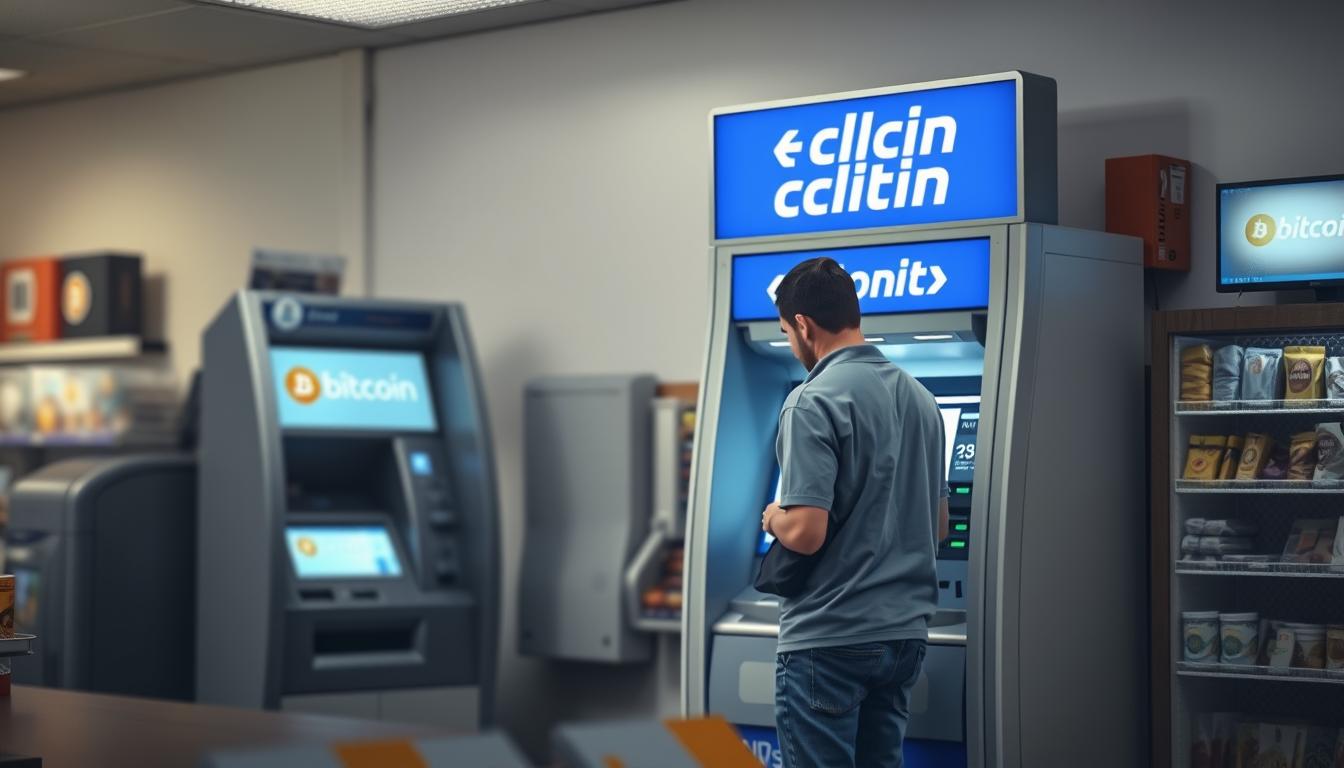
Can a local kiosk actually help me keep more cash in my pocket? I ask that because I track fees, speed, and convenience every time I use a machine in town.
I live near Coinark at 3108 W Lake Rd, Erie, PA 16505, and I use its clear on‑screen pricing and fast flows to judge value. That location often finishes transactions in under two minutes and posts generous limits up to $25,000, so I can move funds quickly when I need to.
The local kiosk scene went from about 10 to 50+ machines, roughly a 400% rise, which improves access and cuts my wait time. Fees in town usually fall between 8%–15%, though some operators show higher ranges depending on size and provider.
Key Takeaways
- I measure value by fees, speed, and convenience, so I spend less overall.
- Coinark at 3108 W Lake Rd is my go‑to for fast, clear transactions.
- Erie’s kiosk growth improves access and often shortens transaction times.
- Local fees range widely—know the on‑screen rates before you transact.
- I’ll share timing tips, fee comparisons, and a short checklist for first visits.
What I mean by “cost efficiency” when using Bitcoin ATMs in Erie
Cost efficiency is how I measure the full price I pay when I use a neighborhood kiosk: the posted fee, the exchange rate spread, and any network or miner charge. I add the value of instant delivery and local convenience to that tally to decide if the total makes sense.
Here’s how I break it down:
- I count posted fees and the rate spread vs. live market quotes to see the true out‑the‑door figure.
- I include miner or network charges, since they can nudge the final number during congestion.
- I value instant delivery and privacy — sometimes those benefits justify a small premium.
I watch the timing closely. Machines in town often finish a transaction in under two minutes, so quick flows cut time on site and reduce friction.
| What I check | Why it matters | My simple test |
|---|---|---|
| Posted fees | Direct outlay shown before confirmation | Compare the on‑screen fee to the usual range |
| Rate spread | Hidden markup vs. live quotes | Look up the market price on the phone |
| Timing & verification | Speed, privacy, and extra steps affect value | Choose off‑peak windows and minimal checks |
My strategies are simple: check the screen, compare the rate, and decide if today’s numbers and benefits justify the purchase. I keep brief notes on providers and locations so patterns help me pick the best machines next time.
Bitcoin ATM Cost Efficiency Erie, PA: how I evaluate fees, speed, and convenience
Before I commit cash, I compare the machine’s display fee to a live market quote. I start with the posted fee and the offered rate, so I know the true range I’ll pay that day.
I time the session in minutes. Sub‑two‑minute transactions often sway my choice because faster flows lower my exposure and speed up usage.
Daily limits and verification steps matter. Many providers — Coinark, Coinhub, Bitcoin Depot, and Coinme — show limits up to $25,000 and different verification flows that change how I plan larger transactions.
- I check whether the machine shows a step‑by‑step flow and accepts cash only or other methods.
- I note if the provider’s fee range sits near 8%–15% or climbs toward 8%–24% for certain sizes.
- I revisit locations with consistent speed and clear prompts; those features shape my final choice.
In short, I pick the atm that balances transparent fees, fast minutes‑to‑completion, and the convenience I need for that visit.
Understanding what you actually pay: the fee stack that affects your transaction
I break down every charge so I know exactly what leaves my pocket before I tap confirm. The total I pay is more than one number on the screen.
Percentage and flat transaction fees
Posted transaction fees usually appear as a percentage or flat add‑on. In town, I see ranges near 8%–24% in normal conditions and up to about 24% at some machines, depending on the amount tier.
Network and miner fees
There’s often a separate network fee pushed to the blockchain. When congestion rises, this small charge can nudge your total and delay confirmation.
Exchange rate margin and spread
The on‑screen BTC amount already folds in the spread versus live quotes. I always check that net bitcoin number before I proceed — it shows the real rate after all fees.
- I read the exact BTC amount displayed; that reveals the combined fee and spread.
- I test small amounts if a fee or rate looks wide, then compare with online exchanges.
- I watch tiered pricing: a larger single purchase can lower the percentage I pay.
| Component | Typical range | Watch for |
|---|---|---|
| Posted fee | 8%–24% (up to 24%) | Amount tiers |
| Network fee | Small, variable | Blockchain congestion |
| Rate spread | Varies vs exchanges | Displayed BTC amount |
Erie vs. national averages: where local Bitcoin ATM costs stand today
I compare on‑screen prices to the U.S. baseline to know when a deal really exists. Locally, machines commonly show a fee range of 8%–15%, finish most transactions in under two minutes, and post daily limits up to $25,000.
The U.S. average fee sits around ~19%, so I use that as a simple benchmark. When a provider posts rates below the national mean, I flag it as competitive. If the displayed rate climbs above the average, I shop around.
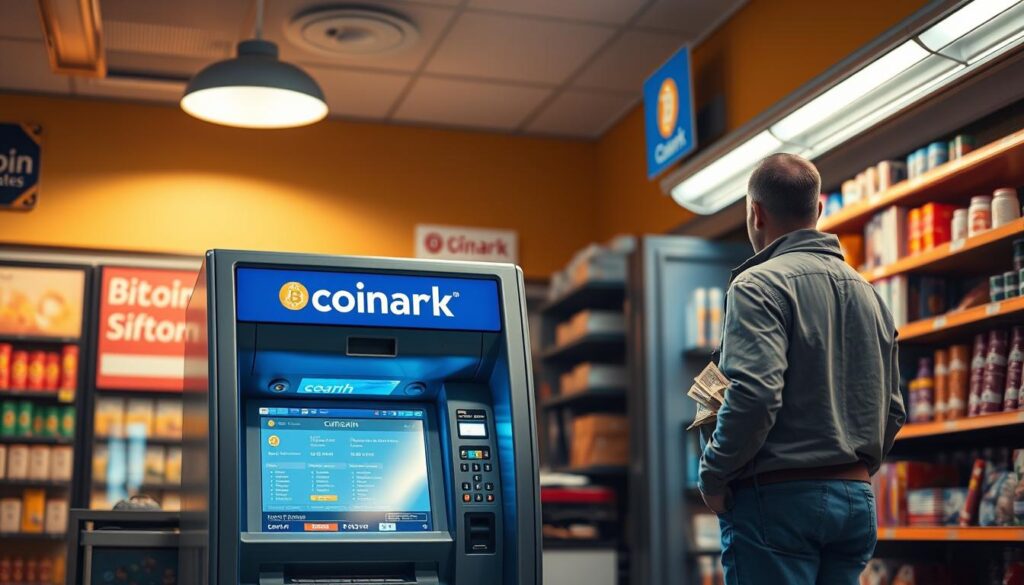
- I compare Erie’s range (~8%–24%) to the ~19% U.S. average to judge value.
- Sub‑two‑minute flows and high daily limits give local machines a practical edge for quick transactions.
- I track trends among providers — Coinark, Coinhub, Bitcoin Depot, and Coinme — to spot shifts in fees and rate spreads.
- More machines per capita usually means shorter waits and steadier market pricing.
In short, I treat the national average as a baseline, and I rely on local competition to find fair offers for my cryptocurrency purchases.
My go-to location: Coinark Bitcoin ATM at 3108 W Lake Rd, Erie, PA 16505
When I need a fast, predictable visit, I head straight to Coinark on W Lake Rd. The location combines clear on‑screen pricing, helpful features, and reliable service that fits my routine.
Why I favor this location:
- I use the Coinark Bitcoin ATM at 3108 W Lake Rd because it offers fast flows, clear fees, and generous daily limits up to $25,000.
- The machine displays the exact BTC amount and fees before I insert cash, so the process feels predictable for both new and experienced users.
- Most transactions finish in well under two minutes, which makes a quick stop practical during a commute or after work.
- Access is simple: easy parking, strong commuter visibility, and good lighting that helps evening visits feel safer and more convenient.
Quick facts and link
I revisit this spot because its features—on‑screen support, clear prompts, and high limits—reduce friction for repeat visits. I share the map link when friends ask for directions: https://g.page/r/CZfZxxySCpzYEBM/
| Feature | Detail | Why it matters |
|---|---|---|
| Location | 3108 W Lake Rd | Easy to find from main routes |
| Minutes | Under two | Fast in-and-out visits |
| Daily limit | Up to $25,000 | Good for both small and large buys |
Erie’s rapid kiosk growth and access advantage (present)
Watching the map fill with new points helped me see a clear shift in local access and usage. The city went from roughly 10 kiosks to over 50 in recent years, roughly a 400% jump.
That density matters. With about 3.4 atms per 100k residents versus ~1.2 nationally, I find machines much closer to daily routes.
I map clusters near convenience stores, gas stations, and retail corridors. Those spots turn discovery into routine visits.
| Metric | Local figure | Why does it help me |
|---|---|---|
| Locations | 50+ | Shorter travel time for quick buys |
| Per‑capita | ≈3.4 per 100k | Better proximity than the national average |
| Peak usage | Evenings, post‑payday | Guides where new services land |
| Market effect | More competition | Faster service and improved uptime |
I’ve seen accessibility boost confidence for first‑time users. More sites spread demand, cut queues, and let me compare providers quickly.
My takeaway: the dense network is a clear market advantage that turns crypto runs into simple errands and encourages wider adoption.
When I pay less: timing tactics and market-aware purchasing
Choosing the right hour often saves me both minutes and money. I plan around daily usage patterns so I avoid crowds and wide spreads.
Avoiding peak windows to reduce friction and potential costs
I skip lunch and early evening when queues and small delays add stress. I prefer early mornings or later evenings because sessions often finish faster and posted fees feel steadier.
Watching price swings and spreads before I commit cash
I check live market action first. Big intraday swings can widen the on‑screen spread, so I wait for calmer periods if I’m price sensitive.
- I test a small amount to view the displayed rate; if the spread looks high, I cancel and try another time or machine.
- I batch purchases when the offer looks favorable to dilute percentage‑based fees and improve value per amount.
- I watch network conditions; blockchain congestion can nudge miner fees and raise total transaction costs.
- I mark pay cycles and revisit locations that repeatedly deliver quick, reliable sessions.
- I track providers that keep rates tight and clear disclosures so I can act fast with predictable outcomes.
| Action | When to use | Benefit |
|---|---|---|
| Avoid peak windows | Lunch, early evening | Fewer delays, steadier fees |
| Test a small amount | Before larger buys | See the real on‑screen rate |
| Batch purchases | When the spread is tight | Dilutes percentage fees |
| Monitor network | High volatility or congestion | Lower unexpected miner charges |
My practical playbook to reduce Bitcoin ATM costs
I use a simple checklist before I insert cash to make each visit predictable and low‑risk. These quick checks cut surprises and help me get more value from each purchase.
Batch purchases work well when the posted rate is tight. I increase the amount so the percentage component matters less versus the total value.
Compare providers before you go
I scan nearby providers—Coinark, Coinhub, Bitcoin Depot, and Coinme—to spot small fee and spread differences. Over time, those tiny gaps add up, so I favor machines that show consistent, clear pricing.
Use off‑peak hours and promos
Visiting early or late often reduces waits and steadier posted rates. I also watch for promo codes or operator discounts; a modest promo can cut a big share of my fees on larger purchases.
Confirm on‑screen fees and limits before inserting cash
I always read the exact displayed fees, the BTC amount, and the daily limit (often up to $25,000) before I proceed. If totals exceed my maximum acceptable transaction cost, I walk away.
- I keep a short list of exchanges to check live quotes and judge the kiosk spread.
- I save receipts and track which providers return the tightest spreads.
- I keep my wallet QR code ready to avoid delays or rescans that add stress.
| Strategy | Action | Benefit |
|---|---|---|
| Batch purchases | Buy a larger amount when the rate is tight | Reduces the percent impact of fees |
| Provider comparison | Check Coinark, Coinhub, Bitcoin Depot, Coinme | Find steady low spreads and clear prompts |
| Timing & promos | Visit off‑peak; apply discounts | Lower friction and lower overall costs |
| Pre‑check screen | Confirm posted fees, BTC amount, and limits | Avoid surprises and abort if totals are high |

Speed and limits that matter: why sub-two-minute flows change my choice
Quick on‑site runs often decide which machine I use for regular buys. Timed sessions in town average about 92 seconds with success rates above 98%, so I value devices that finish fast and reliably.
Fast transactions save time and reduce hassle. Compared with bank transfers that take 3–5 days and peer‑to‑peer apps that often need ~17 minutes, an on‑site terminal is noticeably quicker.
- I prioritize machines that complete in roughly 92 seconds because less time on‑site means fewer interruptions to my day.
- I value high daily limits—up to $25,000—so I can finish larger buys in one stop and avoid repeated fixed fees.
- Clear prompts, instant QR scans, and simple features cut errors and speed up transactions.
- I bring my wallet QR code pre‑tested to avoid rescans that add minutes or cause avoidable stress.
- Good access—parking, lighting, and visibility—makes evening visits quick and comfortable.
Bottom line: I choose the atm that pairs fast flows with transparent limits and few steps. That combo delivers clear benefits and keeps routine buys predictable and stress‑free.
Who uses these machines in Erie, and why that affects placement and fees
Foot traffic and cash availability shape where operators install machines around town. I see clear patterns that steer both placement and pricing.
Users are mostly buyers. About 95% of local usage is purchases, not sales. That high buy ratio pushes operators to place devices where cash flows are steady.
Tourists make up roughly 12% of quarterly transactions, which lifts downtown activity. After‑work and post‑payday windows are the busiest times, with many quick, sub‑two‑minute sessions.
I notice machines cluster near convenience stores, gas stations, and busy retail locations. Those spots match commuter routes and shopping hubs, so services stay convenient and predictable.
- Steady demand keeps fees and service consistent for regular users.
- Occasional spikes—tourist weekends or payday nights—can push short‑term rate shifts.
- Simple interfaces and clear prompts help all age groups complete fast cash-to-cryptocurrency conversions.
| Factor | Impact | Why it matters |
|---|---|---|
| 95% purchases | Placement near cash sources | Maximizes daily transactions |
| 12% tourists | Downtown demand spikes | Affects short-term pricing |
| After‑work usage | Evening peaks | Guides operator hours and stocking |
Alternatives I consider when fees are high
When local on-site rates spike, I look to alternatives that trade instant access for lower recurring charges. I weigh all-in timelines and charges before I pick a path.
Online exchanges and app-linked vouchers for lower costs
App‑linked vouchers like Coinme let me insert cash at partner stores and redeem in the app, usually up to $5,000 with phone verification.
They are handy for mid-size buys when a kiosk looks pricey. Redemption is quick, and I keep my wallet ready to receive funds.
Online exchanges often post lower headline fees, but they require full account setup and may hold funds longer. I compare their spreads, withdrawal timelines, and verification steps before committing.
- I check major exchanges when local fees look high and weigh lower trading fees against longer holds.
- I use voucher flows for mid-size buys to balance speed and lower costs.
- I compare buy sell options: instant settlement can beat a small fee savings during volatile times.
- I keep my account and wallet details handy and maintain 2FA on every platform for security.
| Option | Typical limit | Trade‑off |
|---|---|---|
| Voucher (Coinme) | Up to $5,000 | Fast redemption, phone verification |
| Online exchange | Varies | Lower fees, longer holds |
| On‑site terminal | High single limits | Instant access, higher fees |
What I bring for a smooth first transaction
Before I step up to a machine, I run a quick prep checklist so nothing slows the session.
Phone verification and ID: many local devices ask for a text code, and larger buys sometimes ask for a government ID. I keep my phone charged and my ID handy to avoid delays.
I carry enough cash for the amount I plan to buy; minimums often start around $20. I also set up any app account I’ll use ahead of time so I’m not onboarding at the kiosk.
- I have my wallet QR code ready and tested, so the machine can scan instantly and avoid rescans.
- I check posted fees and the exact BTC output on the screen; if the offer looks off, I cancel before inserting bills.
- I store receipts or screenshots for support and to track my cost basis after transactions.
- I confirm practical features like hours, parking, and lighting so a first visit feels comfortable.
- I follow basic safety tips: keep cash discreet, be aware of surroundings, and avoid sharing sensitive details at the ATM.
Final step: once the confirmation arrives, I double-check my wallet balance and save the receipt so I leave with confidence.
Conclusion
To wrap up, I focus on a few repeatable habits that save time and money.
I keep a short checklist: verify on‑screen fees, compare the rate, choose off‑peak windows, and batch purchases when the numbers look good. Those steps cut surprises and lower my per‑transaction outlay.
Erie’s rapid growth from ~10 to 50+ kiosks and per‑capita access near 3.4 per 100k means more choice and better convenience. Sub‑two‑minute flows and limits up to $25,000 matter as much as posted fees.
My go‑to is Coinark at 3108 W Lake Rd, Erie, PA 16505 — its speed, clear prompts, and steady pricing make repeat visits easy. Map: https://g.page/r/CZfZxxySCpzYEBM/
I track providers and local trends, try alternatives when needed, and keep a short list of preferred services so I act fast and smart on every visit.